The Israel-Iran Conflict: An Overview
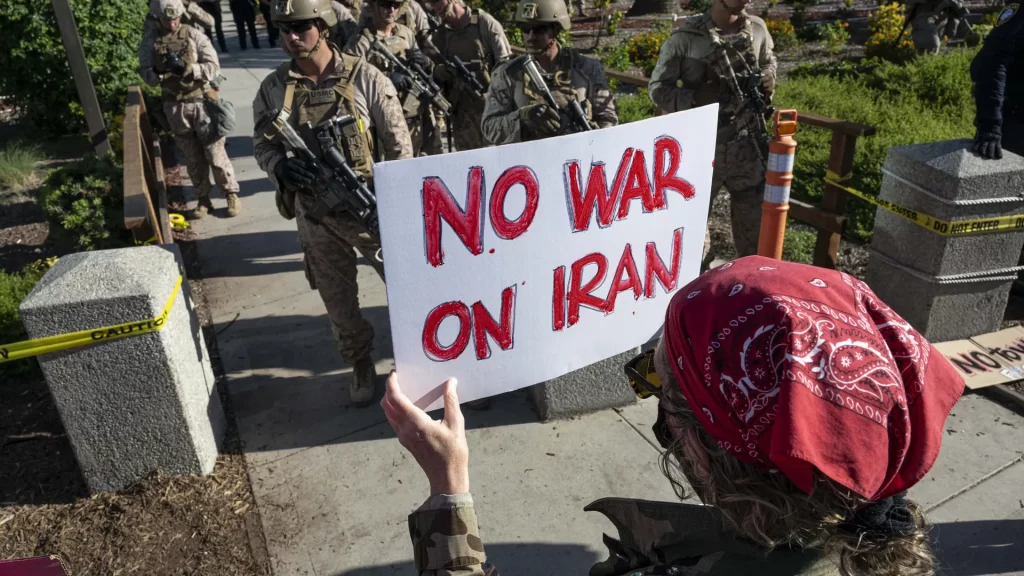
The geopolitical landscape of the Middle East has been shaped by a complex interplay of historical, religious, and political factors. At the forefront of this intricate web of alliances and enmities is the long-standing conflict between Israel and Iran. Understanding the roots and implications of this rivalry is essential for grasping the broader dynamics of the region.
Historical Context
The seeds of the Israel-Iran conflict can be traced back to the establishment of Israel in 1948 and the subsequent Arab-Israeli wars. Initially, Iran, under the rule of the Shah, maintained a relatively cordial relationship with Israel, viewing it as a counterbalance to Arab nationalism. However, the 1979 Iranian Revolution marked a significant turning point. The new Islamic Republic, led by Ayatollah Khomeini, adopted an anti-Zionist stance, framing its opposition to Israel as part of a broader resistance against Western imperialism and oppression.
Ideological Differences
At the heart of the Israel-Iran conflict lies a deep ideological divide. Israel positions itself as a democratic nation-state for the Jewish people, while Iran, governed by a theocratic regime, promotes a vision of Islamic governance that opposes what it perceives as Western hegemony in the region. This ideological clash fuels mutual animosity and has led to a series of proxy conflicts and military confrontations.
Proxy Wars and Regional Tensions
Iran’s support for militant groups such as Hezbollah in Lebanon and various factions in Syria and Gaza has intensified tensions with Israel. These groups are seen as extensions of Iranian influence and pose a direct threat to Israeli security. In response, Israel has conducted numerous airstrikes against Iranian positions in Syria, aimed at thwarting the transfer of advanced weaponry to Hezbollah and curbing Iran’s military entrenchment near its borders. Simultaneously, Israel has sought to forge alliances with Sunni Arab states, particularly in the Gulf region, that share its concerns about Iran’s regional ambitions. This realignment has culminated in the Abraham Accords, which normalized relations between Israel and several Arab nations, further isolating Iran diplomatically.
Nuclear Ambitions and Security Dilemmas
The most pressing concern in the Israel-Iran conflict is Iran’s nuclear program. Israel perceives a nuclear-armed Iran as an existential threat. The tensions escalated significantly with the U.S. withdrawal from the Joint Comprehensive Plan of Action (JCPOA) in 2018, leading to fears of an unchecked Iranian nuclear capability. Israel has publicly vowed to take whatever measures necessary to prevent Iran from acquiring nuclear weapons, including potential military action.
The Path Ahead
The Israel-Iran conflict is unlikely to be resolved in the near future, given the entrenched positions of both sides and the broader geopolitical complexities at play. Efforts to negotiate a new nuclear deal or de-escalate tensions have been met with skepticism, as both nations continue to prepare for a protracted rivalry. As the situation evolves, the international community remains watchful, understanding that any escalation in hostilities could have far-reaching consequences not only for the Middle East but for global stability as well. A comprehensive approach that addresses the underlying issues—ranging from security guarantees to economic incentives—may be necessary to pave the way for a more stable and peaceful future in the region. In summary, the Israel-Iran conflict exemplifies the intricate interplay of ideology, power, and security in the Middle East. Understanding its history and current dynamics is crucial for anyone seeking to comprehend the challenges and opportunities that lie ahead.
Deixe um comentário